Skip to content

The question

How do you tell when a piece of work is done?

Originally asked

The Creative Independent, to working artists, its interview series

A repeated process question in The Creative Independent, asked across visual art, music, writing, performance, and mixed media.

You answer as yourself. Nobody on FLAPSS answers as anybody else.

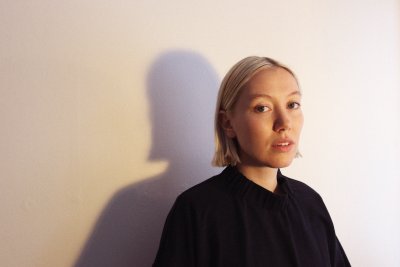
Ellen Arkbro

Composer and sound artist

Recorded said elsewhere, not written here
I think I’m more attuned to a popular… I grew up watching MTV and listening to three-minute songs, and I also don’t like concerts that are too long. A concert can be seven hours and not be too long, but sometimes a concert is forty-five minutes and it’s too long, and you’re uncomfortable, like, “It ended fifteen minutes ago, why do you keep making sound?” Or those situations where someone is playing and they’re fading out and you have this feeling of, “Yeah, it’s ending, yes, now, definitely,” and then they start again and you say, “No!” [ Laughs ] For me, moving over an hour or so, it goes into a different territory where I lose my sense of form. And then it becomes more like the chord in space. Installation format is where I would go after an hour.

Ben Gambuzza, ELLEN ARKBRO with Ben Gambuzza, The Brooklyn Rail, 1 July 2025 source ↗

Others on this question

View all 67 →
Hanif Abdurraqib American poet and essayist
I move back and forth. The Tribe book is easier. I have a proposal and a plan for that, so it’s easier to know when that’s done because there’s a hard end. There’s a certain amount of chapters, and that whole thing. But poetry books, at least in my experience, those tell you when they’re done. My first book told me when it was done. It told me when I had mined everything I could out of the emotional landscape I was trying to create, and it pointed me to an exit strategy. With poetry books, I have been lucky to have my poems do that. My poems tell me how they want to live in the world, when they want to live in the world, and when they’re done being played with… Sometimes, it’s over the course of a month with one poem, or sometimes it takes a little longer than that. I think the hard work is knowing when to pull yourself back so you don’t overextend or let your projects blend together.
Recorded Brandon Stosuy, The Creative Independent interview source ↗
Nina Katchadourian American interdisciplinary artist and educator
I don’t know the answer to that, especially with projects like Seat Assignment or Sorted Books, because both do still feel ongoing. The Sorted Books Project is my longest ongoing project to date, where I’m working in libraries or book collections with other people’s books and trying to work only with what’s there, to draw something out from the book arrangements I make.
Recorded Brandon Stosuy, The Creative Independent interview, 1 June 2017 source ↗
Kazuo Ishiguro Novelist and screenwriter; Nobel laureate in Literature, 2017
It’s funny you say that because I never have this moment when I feel, “Ah, I’ve finished!” I watch footballers at the end of the match, you know, the whistle goes and they’ve won or lost. Until then they’ve been giving everything and at that moment they know it’s over. It’s funny for an author. There’s never a finishing whistle. It’s not very spectacular.
Recorded The Talks, 14 October 2015 source ↗
Madi Diaz American singer-songwriter
It’s so weird. I feel like that’s so tough. You just know, you do. I feel like if I could explain that, I’d probably be better at writing songs or something. If I knew the trick to it, then I would just do it every time and just always land the dismount. I don’t think that every song I write is the song, but it’s part of the practice of staying in your expression and your expressiveness and just trying to find the nerve and hit the nerve well every time. You know when you hit the nerve, it’s like hitting a funny bone or on your knee when they’re doing the reflex thing at the doctor. It’s like you just know when you hit it and you know when you’re not hitting it.
Recorded Miriam Garcia, The Creative Independent interview source ↗

More on craft & work

Also answered this

Laurel Halo, Claire L. Evans, Georgia Harmer, Natalie Mering, Loraine James, Toro y Moi

Search the directory for somebody in particular.

Explore further

Report this answer