Back in Montgomery during my growing up there, it was completely legally enforced racial segregation, and of course, I struggled against it for a long time. I felt that it was not right to be deprived of freedom when we were living in the Home of the Brave and Land of the Free. Of course, when I refused to stand up, on the orders of the bus driver, for a white passenger to take the seat, and I was not sitting in the front of the bus, as so many people have said, and neither was my feet hurting, as many people have said. But I made up my mind that I would not give in any longer to legally-imposed racial segregation and of course my arrest brought about the protests for more than a year.
Managed profile
Not claimed by Rosa Parks
Rosa Parks has not joined FLAPSS and has not endorsed it. This page is a reference record assembled from published interviews and public remarks. Every answer below is a direct quotation with the source and date shown next to it.
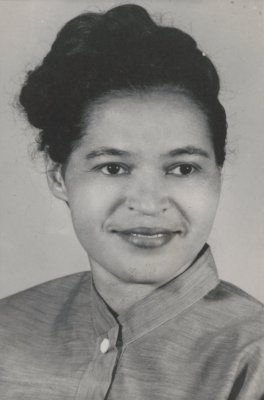
Rosa Parks
Civil-rights activist
United States · 1913–2005
Politics and public life
About
American civil-rights activist whose refusal in December 1955 to give up her seat on a Montgomery bus triggered the Montgomery bus boycott. She had been secretary of the Montgomery chapter of the NAACP and remained an activist and organiser for the rest of her life.
9 answers
As I look back on those days, it’s just like a dream. The only thing that bothered me was that we waited so long to make this protest and to let it be known wherever we go that all of us should be free and equal and have all opportunities that others should have.
Every quotation above is reproduced from the source shown beside it and has not been edited. Rosa Parks did not write these answers for FLAPSS. Request a correction or removal.