The life of a jazz musician is a difficult life, because you want to play, you want to be, you want to get to the inner spirit and sometimes you drink or you use drugs or you smoke a lot. You do all these things to try to get the spirit out. So it’s a difficult existence and a lot of the great people that I have known, and in history, they kind of over-indulge, and they never sort of are able to balance their musical life with their personal life. Maybe it’s not necessary to do that. That is another question, I don’t know, but I’d like to see young musicians coming up that don’t smoke and that don’t drink to excess and don’t use drugs, and don’t sort of debilitate themselves. I think that’s where we should go. I think that is what guys should be doing. I don’t think you have to drink and use drugs to play good jazz, but that’s been the model for so long that a lot of guys get caught up in that, you know.
Managed profile
Not claimed by Sonny Rollins
Sonny Rollins has not joined FLAPSS and has not endorsed it. This page is a reference record assembled from published interviews and public remarks. Every answer below is a direct quotation with the source and date shown next to it.
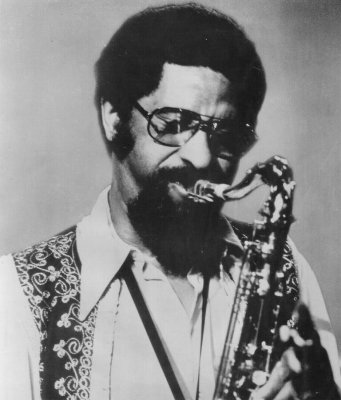
Sonny Rollins
Jazz tenor saxophonist and composer
United States · 1930–2026
Arts and letters
About
American tenor saxophonist, born Theodore Walter Rollins in New York City and raised in Harlem. He recorded with Bud Powell, Thelonious Monk and Miles Davis while still in his teens, and led his own groups from the mid-1950s. He withdrew from public performance three times, most famously in 1959–61 to practise alone on the Williamsburg Bridge. He played his last concert in 2012.
4 answers
Every quotation above is reproduced from the source shown beside it and has not been edited. Sonny Rollins did not write these answers for FLAPSS. Request a correction or removal.