No, never. Strangely enough, being such a tomboy, and being so—as my mother says—spoiled as a child, once I started dancing and in a way growing up, I was not the spoiled brat or the rebellious child that I was when I really had no reason to be as a child. When you work, it’s a laboratory. The dance studio, when we were working together, was the place where you experiment. I’m not intimidated by failure or making a mistake, because you learn from those situations. You don’t learn from a situation where you do something well. You enjoy it and you give yourself credit, but you don’t really learn from that. You learn from trial and error, trial and error, all the time. When you fail, maybe you failed in that particular instance, but you have discovered something else. A lot of the ballets that we went on to do were built around mistakes that we had made in the classroom. So you never throw anything out. Rebelling takes up energy. As a dancer, you don’t have that kind of energy to throw away.
Managed profile
Not claimed by Suzanne Farrell
Suzanne Farrell has not joined FLAPSS and has not endorsed it. This page is a reference record assembled from published interviews and public remarks. Every answer below is a direct quotation with the source and date shown next to it.
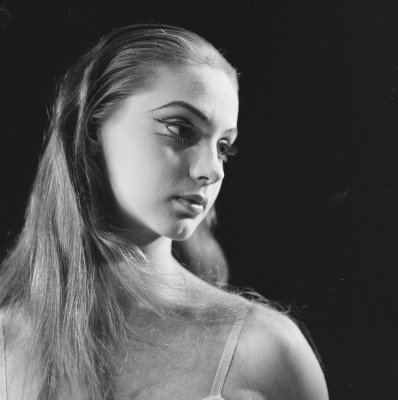
Suzanne Farrell
Ballerina and ballet master; répétiteur for the Balanchine Trust
United States · b. 1945
Arts and letters
About
American ballerina, born Roberta Sue Ficker in Cincinnati. She joined the New York City Ballet’s corps de ballet in 1961 and became George Balanchine’s principal muse, dancing Dulcinea in his Don Quixote at nineteen. Arthritis of the hip forced her retirement from the stage in 1989. She received the National Medal of Arts in 2003 and the Kennedy Center Honors in 2005.
5 answers
Every quotation above is reproduced from the source shown beside it and has not been edited. Suzanne Farrell did not write these answers for FLAPSS. Request a correction or removal.